
Exploring Gasherbrum I – The Hidden Peak Adventure
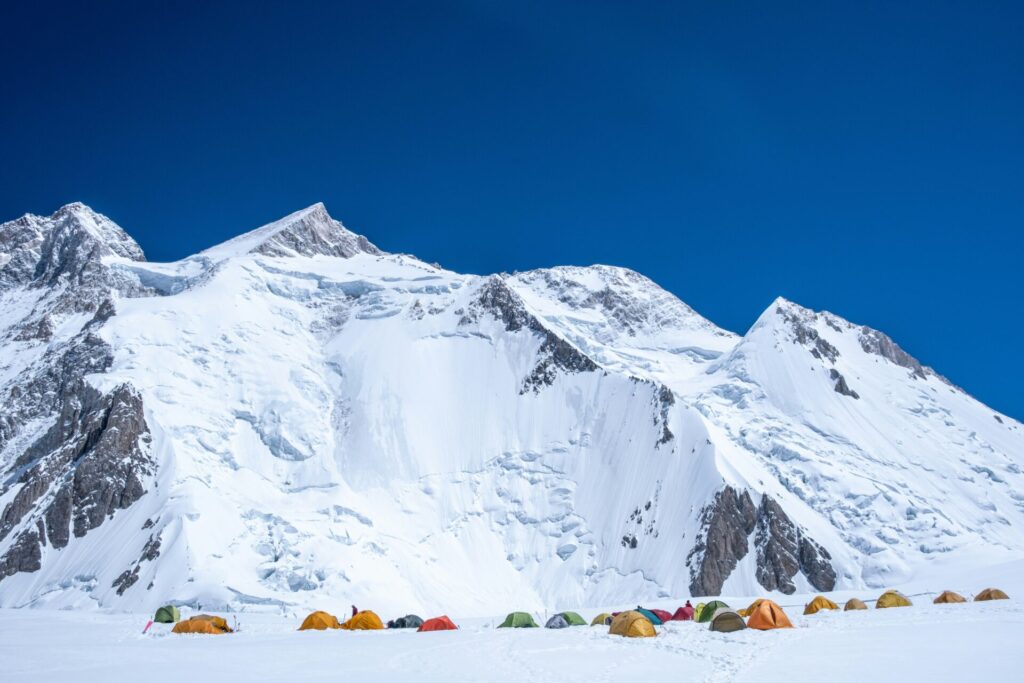
One of the World’s Most Daring Adventures Awaits
One phrase rings true for mountaineers and adventure enthusiasts—there’s no greater challenge than conquering an 8,000-meter peak. Among these natural marvels, Gasherbrum I, also known as “Hidden Peak,” stands out as one of the climbers’ most thrilling and remote challenges.
Located in the Karakoram range on the border of Pakistan and China, Gasherbrum I is the 11th highest peak in the world, towering at an impressive 8,068 meters (26,509 feet).
But why is Gasherbrum I called the Hidden Peak? And what makes this climb such a magnetic venture for explorers?
This post covers everything you need to know before planning a trip to Gasherbrum I, including its history, natural allure, and expedition logistics.
Whether you’re an experienced mountaineer wanting to add a world-class climb to your list or a travel blogger eager to document breathtaking exploration, Gasherbrum I promises to be an unforgettable experience.
What Makes Gasherbrum I Special?
Gasherbrum I isn’t just a test of strength and skill; it’s a test of endurance, planning, and teamwork. Here are a few awe-inspiring details that make this peak truly unique:
- The Hidden Peak Name
Although Gasherbrum translates to “Beautiful Mountain” from the Balti language, the nickname “Hidden Peak” stems from its secluded location and its overshadowed position beside towering neighbors such as K2.
- Natural Splendor
The peak is part of the Gasherbrum massif, which is encircled by vast glaciers like the Baltoro Glacier and the South Gasherbrum Glacier. The view from the base camp offers a dazzling panorama of some of the Karakoram range’s most defining peaks.
- History of Exploration
The first successful summit of Gasherbrum I was achieved in 1958 by an American expedition led by Nicholas B. Clinch. Ever since it has been a dream destination for climbers seeking a challenge.
Why Gasherbrum I Is For You
Gasherbrum I is more than just a peak—it’s a testament to human ambition and resilience. Here’s why climbers and adventurers are drawn to this hidden treasure of the Karakoram Mountains.
1. A True Test of Mountaineering Skills
Scaling Gasherbrum I demands physical strength, acute navigation skills, and sound preparation, all of which make it an excellent conquest for the seasoned mountaineer.
2. An Exclusive Experience
Unlike Mount Everest or other commercial peaks, Gasherbrum I offers a quieter, less crowded setting with pristine natural beauty much less disturbed by human activity.
3. Witness a Place of Geographical Importance
While traversing the route to Gasherbrum I, climbers encounter the meeting point of three major mountain ranges—the Karakoram, the Himalayas, and the Hindu Kush. Few places in the world are this rich in geographical splendor.
Planning an Expedition to Gasherbrum I
If this peak has captured your heart, it’s time to learn what’s involved in planning your adventure. A typical expedition to Gasherbrum I spans several weeks—requiring careful logistics, expert guides, and unwavering dedication.
1. Choose the Right Itinerary
Expeditions often follow an established 48–50 day plan. You’ll arrive in Islamabad and make your way to Skardu, a scenic town that acts as the gateway to the Karakoram.
Jeeps will take you to the trek’s starting point, followed by breathtaking hikes to reach Gasherbrum I’s base camp, located around 5,100 meters (16,732 feet) above sea level. Summiting itself takes approximately 30 days of acclimatization and climbing.
2. Best Time to Climb
The ideal climbing window is between June and August when the climate is relatively stable, and snowfall is manageable. Be sure to plan well in advance to secure permits and a reputable expedition operator.
3. Prepare for the Challenge
The ascent involves traversing glaciers, snow-covered plateaus, and unpredictable weather conditions. Only those who are physically robust and well-trained in high-altitude climbing should consider this adventure.
4. Local Support and Expertise
Partnering with experienced local operators such as Hunza Guides or Mountain Travels ensures you have access to professional guides, adept porters, and essential trekking supplies. Many services offer both guided and non-guided expeditions tailored to your needs.
Highlights Along the Route
An Expedition to Gasherbrum I is a visual symphony. Here are some of the highlights you’ll encounter along the way:
- Babusar Pass (4,173m): A stunning mountain pass en route to Skardu.
- Baltoro Glacier: A mesmerizing walk past icy landscapes leading to Concordia, a junction of five significant glaciers.
- Concordia (4,650m): This offers 360-degree views of peaks, including K2.
Key Considerations Before You Go
Safety is paramount on any high-altitude mountaineering expedition. Before setting out on your Gasherbrum I adventure, here are a few essential considerations.
Physical Fitness
A high-altitude climb demands extraordinary strength and endurance. Begin physical training sessions months ahead, focusing on stamina, flexibility, and core strength.
Weather Challenges
Weather in the Karakoram range is unpredictable and can shift within hours. Prepare for extreme cold, strong winds, and the possibility of avalanches.
Environmental Responsibility
The region’s fragile ecosystem requires careful preservation efforts. Stick to designated routes, follow “leave no trace” principles, and ensure proper waste management.
Mental Resilience
A trek of this magnitude tests mental and physical strength. Staying calm in high-pressure situations and maintaining focus can be as vital as the equipment you bring along.
A Peak Worth the Pursuit
Gasherbrum I, with its remote allure and raw natural beauty, remains one of the pinnacles of high-altitude mountaineering. Beyond the challenge, it offers a sense of unmatched achievement that few feats in the world can rival.
For those dreaming of stepping into the thin, icy air of an 8,000-meter peak, Hidden Peak stands as a testament to nature’s harshness and magnificence.
Are you ready to take on Gasherbrum I? Connect with experienced guides to start planning your adventure. And if you’re an enthusiast admiring from afar, this hidden peak will always be a symbol of human determination and the eternal call of the mountains.